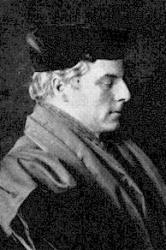
| A brighter dawn is breaking | Percy Dearmer (1867-1936) (Author) | English | 12 |
| A message came to a maiden young | Percy Dearmer, 1867-1936 (Author (sts. 2-4)) | English | 4 |
| A patre unigenitus, Through a maiden is come | Percy Dearmer (Author) | English | 2 |
| Ah think not the Lord delayeth | Percy Deamer (Author) | English | 5 |
| Angels and ministers, spirits of grace | Percy Dearmer (Author) | English | 2 |
| As the disciples, when thy Son had left them | Percy Dearmer (Author) | English | 7 |
| ആത്മദാതാവാം സ്വർഗ്ഗീയ താതാ (Ātmadātāvāṁ svarggīya tātā) | Percy Dearmer (Translator (English)) | Malayalam | 2 |
| Book of books, our people's strength | Percy Dearmer, 1867-1936 (Author) | English | 26 |
| Car un enfant est donné | Percy Dearmer (Tr. anglaise) | French | 2 |
| Christ is the world's light, Christ and none other | Percy Dearmer (Translator (C)) | English | 1 |
| Jesus the Glory of the Holy Angels | P. D. (Translator) | English | 6 |
| Come now, all people, keep high mirth | Percy Dearmer (Author) | English | 6 |
| Draw us in the Spirit's tether | Percy Dearmer (Author) | English | 23 |
| Easter eggs, Easter eggs | Percy Dearmer (Author) | | 2 |
| Father most holy, merciful, and tender | Percy Dearmer, 1867-1936 (Translator) | English | 24 |
| Father of spirits, whose divine control | Percy Dearmer, 1867-1936 (Translator) | English | 7 |
| Father, we praise Thee, now the night is over | Percy Dearmer (Translator) | English | 78 |
| Father, who on man dost shower | Percy Dearmer (Author) | English | 31 |
| From out of a wood did a cuckoo fly | Percy Dearmer (Author) | | 2 |
| God is love: his the care | Percy Dearmer (1867-1936) (Author) | English | 12 |
| Green groweth the holly, So doth the ivy | Percy Dearmer (Translator) | | 2 |
| Who would true valor see | Percy Dearmer (Adapter) | English | 24 |
| Holy Ghost [God], we offer here | P. D. (Author) | English | 3 |
| Holy God, we show forth here | Percy Dearmer (Author) | English | 2 |
| How great the harvest is | Percy Dearmer, 1867-1936 (Author) | | 4 |
| My God, I love Thee, not because | Percy Dearmer, 1867-1936 (Adapter) | English | 2 |
| In dulci jubilo, Now sing with hearts aglow | Percy Dearmer (Author) | English, Latin | 5 |
| Jen al ni naskiĝis Fil' | Percy Dearmer (Translator (Latin to English)) | | 1 |
| Jesus, good above all other | Percy Dearmer, 1867-1936 (Author) | English | 25 |
| Let us rejoice, the fight is won | Percy Dearmer (Author) | | 4 |
| Libro santo, sin igual | Percy Dearmer (Author) | Spanish | 2 |
| Life is good, for God contrives it | Percy Dearmer (Author) | English | 5 |
| Little Jesus sweetly sleep, do not stir | Percy Dearmer (Translator) | | 12 |
| Lo, in the wilderness a voice | Percy Dearmer, 1867-1936 (Author) | English | 4 |
| Lo, the fair beauty of earth, from the death of the winter arising | P. D. (Translator) | English | 4 |
| Long ago and far away heaven rang with joy today | Percy Dearmer, 1867-1936 (Translator (refrain, into English)) | | 1 |
| Lord, enthroned in heavenly splendor | Percy Dearmer (Author) | English | 1 |
| Lord Jesus hath a garden full of flowers gay | Percy Dearmer (Translator) | | 2 |
| Lord of health, Thou life within us | Percy Dearmer (Author) | English | 12 |
| Lord, the wind and sea obey Thee | Percy Dearmer (Author) | English | 3 |
| Martyr of God, whose strength was steeled | Percy Dearmer, 1867-1936 (Translator) | English | 6 |
| Now quit your care and anxious fear | Percy Dearmer (Author) | English | 7 |
| Now thy earthly work is done | Percy Dearmer (Author) | English | 3 |
| O blest Creator of light, Who makest day with radiance bright | Percy Dearmer (Translator) | English | 3 |
| O Father above us, our father in might | Percy Dearmer (Author) | English | 4 |
| O Father, the maker of beautiful things | Percy Dearmer (Author) | | 2 |
| O glorious Maid, exalted far | Percy Dearmer (Translator) | English | 6 |
| O Holy Spirit, God, All loveliness is thine | Percy Dearmer (Author) | English | 4 |
| O let the heart beat high with bliss | P. D. (Translator) | English | 7 |
| O little One sweet, O little One mild | Percy Dearmer, 1867-1936 (Translator) | | 6 |
| Praise Him, praise Him, all ye little children | Percy Dearmer (Author) | English | 2 |
| Praise him, praise him, all his children praise him! | Percy Dearmer, 1867-1936 (Adapter) | English | 3 |
| Praise to God in the highest | Percy Dearmer (Translator) | English | 4 |
| Quien quiera frente al mal | Percy Dearmer (Adapter) | Spanish | 4 |
| Rejoice! The year upon its way | Percy Dearmer (Author) | English | 1 |
| Remember all God's children | Percy Dearmer, 1867-1936 (Author) | | 2 |
| Remember all the people | Percy Dearmer (Author) | English | 25 |
| Rise from the grave now, O Lord | Percy Dearmer, 1867-1936 (Translator (Common vs. 4)) | English | 2 |
| Servants of the great adventure | Percy Dearmer (Author) | | 2 |
| Sing Alleluia forth in duteous praise | Percy Dearmer, 1887-1936 (Translator) | English | 1 |
| Sing, my tongue, the glorious battle, Sing the ending of the fray (Dearmer) | Percy Dearmer, 1867-1936 (Translator) | English | 13 |
| Sing, my tongue, the glorious battle, Sing the last the dread affray (Neale) | Percy Dearmer, 1867-1936 (Translator) | English | 5 |
| Sing, my tongue, the song of triumph | Percy Dearmer (Translator) | English | 1 |
| Sing praise to God who spoke through man | Percy Dearmer (Author) | | 4 |
| Spread, O spread, thou mighty word, Spread the kingdom of the Lord (Winkworth) | Percy Dearmer (Paraphraser) | English | 1 |
| Spring has now unwrapped the flowers | Percy Dearmer, 1867-1936 (Translator) | English | 3 |
| Strengthen for service, Lord, the hands | Percy Dearmer, 1867-1936 (Translator) | English | 21 |
| The first good joy that Mary had | Percy Dearmer (Author) | English | 1 |
| The greatness of God in his love has been shown | Percy Dearmer (Author) | | 2 |
| The Royal Banners forward go | Percy Dearmer, 1867 - 1936 (Translator) | English | 5 |
| The whole bright world rejoices now | Percy Dearmer (Translator) | English | 7 |
| The winter's sleep was long and deep | P. D. (Author) | English | 5 |
| Thou Judge, by whom each empire fell | Percy Dearmer (Author) | English | 10 |
| Thou true Vine, that heals [healing] the nations | Percy Dearmer (Author) | English | 5 |
| Through north and south and east and west | Percy Dearmer, 1867-1936 (Author) | English | 1 |
| To the name that is salvation | Percy Dearmer (Author) | English | 6 |
| To us in Bethlem city | Percy Dearmer (Author) | English | 4 |
| Unknown and unrewarded their very names have died | Percy Dearmer (Author) | English | 5 |
| Unto us a boy is born | Percy Dearmer, 1867-1936 (Translator) | English | 33 |
| We wish you many happy returns of the day | Percy Dearmer, 1837-1936 (Author) | English | 2 |
| Welcome, day of the Lord, the first | Percy Dearmer (Author) | | 5 |
| When by fear my heart is daunted | Percy Dearmer (Author) | English | 3 |
| When Christ had shown God's dawning reign | Percy Dearmer (Author) | | 2 |
| When Christ our Lord had passed once more | P. D. (Translator) | English | 4 |
| When Jesus Christ was yet a child | Percy Dearmer (Translator) | English | 1 |
| Wherefore, O Father, we Thy humble servants (Dearmer) | Percy Dearmer (Author) | English | 3 |
| Why, impious Herod, shouldst thou fear | P. D. (Translator) | English | 5 |
| Winter creeps, Nature sleeps | Percy Dearmer (Author) | English | 2 |
| With Jesus for hero, for teacher and friend | Percy Dearmer (Author) | English | 4 |


 My Starred Hymns
 My FlexScores
 My Hymnals
 My Purchased Files