Scripture References:
st. 1 = John 14:19, 1 Cor. 15:55
st. 4 = Rom. 8:38-39
st. 5 = 1 Cor. 15:54, John 16:33
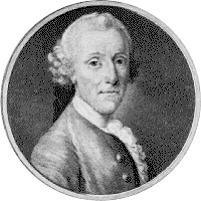
Christian F. Gellert (b. Hainichen, Saxony, Germany, 1715; d. Leipzig, Germany, 1769) wrote the original German text (“Jesus lebt, mit ihm auch ich”) in six stanzas. Published in Gellert's Geistliche Oden und Lieder (1757), the text is similar to “Jesus, meine Zuversicht,” a chorale text often attributed to Dutch writer Luise Henriette of Brandenburg.
Gellert studied theology at the University of Leipzig and planned to become a pastor. Due to "congenital timidity" and poor memory, which made preaching impossible for him (the Lutheran Church in that era did not encourage pastors to read their sermons but to preach them from memory), he became a tutor. He went on to study philosophy at the University of Leipzig, where he was later appointed to the philosophy faculty. He became a popular lecturer and included among his students Goethe and Lessing. Gellert published various literary works, including the classic Tales and Fables (1746, 1748).
Calvin Seerveld (PHH 22) translated the text in 1985 in Toronto, Ontario; he borrowed the last line of each stanza from the translation by Australian John D. Lang, published in Lang's Aurora Australis (1826). It was first published in the 1987 Psalter Hymnal.
A strong text of comfort in Christ's resurrection, “Jesus Lives and So Do We” was inspired by John 14: 19b, "Because I live, you also will live." Each stanza begins with the Easter faith: Jesus lives! We sing of Christ conquering death (st. 1), of his rule as king over all (st. 2), of his forgiveness of sin (st. 3), and of our security in his love (st. 4-5).
Liturgical Use:
Easter season; to comfort the sick and dying; funerals.


 My Starred Hymns
 My FlexScores
 My Hymnals
 My Purchased Files