My Starred Hymns
 My FlexScores
 My Hymnals
 My Purchased Files
Esperanta Himnaro #10a
Tune Title: Meine Hoffnung First Line: Ĉiopova, Sankta Dio Date: 1985
Esperanta Himnaro #10a

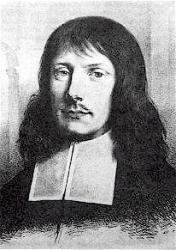 Neander, Joachim, was born at Bremen, in 1650, as the eldest child of the marriage of Johann Joachim Neander and Catharina Knipping, which took place on Sept. 18, 1649, the father being then master of the Third Form in the Paedagogium at Bremen. The family name was originally Neumann (Newman) or Niemann, but the grandfather of the poet had assumed the Greek form of the name, i.e. Neander. After passing through the Paedagogium he entered himself as a student at the Gymnasium illustre (Academic Gymnasium) of Bremen in Oct. 1666. German student life in the 17th century was anything but refined, and Neander seems to have been as riotous and as fond of questionable pleasures as most of his fellows. In July 1670, Theodore Under-Eyck came to Breme… Go to person page >