MELCOMBE (Webbe)

Composer: Samuel Webbe

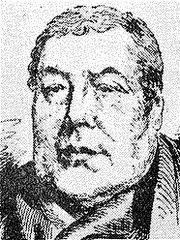
Samuel Webbe (1740 – May 25, 1816) was an English composer. Born in Minorca in 1740, Webbe was brought up in London. His father died when he was still a baby and his mother returned to London where she raised Webbe in difficult circumstances. At the age of eleven he was apprenticed to a cabinet maker, and during the first year of his apprenticeship his mother died. Webbe determined to educate himself. He first discovered his aptitude for music when called on to repair the case of a harpsichord. During the course of the repair work he taught himself to play the instrument. Near the end of the job he was overheard playing it. As a result of this incident he turned to the study of music under Carl Barbandt. In 1766, he was given a priz… Go to person page >

Tune Information

Composer: Samuel Webbe (1782)
Meter: 8.8.8.8
Incipit: 55432 16551 76554
Key: E♭ Major

Texts

New every morning is the love

New every morning is the love
Our wakening and uprising prove;
Through sleep and darkness safely brought,
Restored to life, and power, and thought
Go to text page >

O Spirit of the living God

O Spirit of the living God!
In all Thy plenitude of grace,
Where'er the foot of man hath trod,
Descend on our apostate race.
Go to text page >

Notes

MELCOMBE was first used as an anonymous chant tune (with figured bass) in the Roman Catholic Mass and was published in 1782 in An Essay on the Church Plain Chant. It was first ascribed to Samuel Webbe (the elder; b. London, England, 1740; d. London, 1816) and named MELCOMBE in Ralph Harrison's Sacred Harmony (1791), the first of many Protestant hymnals to contain this popular Roman Catholic tune. The tune title refers to Melcombe Regis, the northern part of Weymouth in Dorsetshire, England, made famous through frequent visits by King George III (1738-1820).

Webbe's father died soon after Samuel was born without providing financial security for the family. Thus Webbe received little education and was apprenticed to a cabinet maker at the age of eleven. However, he was determined to study and taught himself Latin, Greek, Hebrew, French, German, and Italian while working on his apprenticeship. He also worked as a music copyist and received musical training from Carl Barbant, organist at the Bavarian Embassy. Restricted at this time in England, Roman Catholic worship was freely permitted in the foreign embassies. Because Webbe was Roman Catholic, he became organist at the Portuguese Chapel and later at the Sardinian and Spanish chapels in their respective embassies. He wrote much music for Roman Catholic services and composed hymn tunes, motets, and madrigals.

Webbe is considered an outstanding composer of glees and catches, as is evident in his nine published collections of these smaller choral works. He also published A Collection of Sacred Music (c. 1790), A Collection of Masses for Small Choirs (1792), and, with his son Samuel (the younger), Antiphons in Six Books of Anthems (1818).

MELCOMBE has a steady rhythmic structure and a lot of stepwise intervals. The original setting had one dotted rhythm in the third phrase, which is deleted in many hymnals, including the Psalter Hymnal. The harmony borrows from Webbe's original bass line and from William H. Monk's (PHH 332) harmonization of MELCOMBE for Hymns Ancient and Modern (1861). Sing this tune in two long lines, with a small pause at the end of the first to allow a breath before singing the second.

--Psalter Hymnal Handbook

Media

Christian Classics Ethereal Hymnary #590
  • Four-part harmony, full-score (PDF, NWC)
The Hymnal, Revised and Enlarged, as adopted by the General Convention of the Protestant Episcopal Church in the United States of America in the year of our Lord 1892 #1
Text: New every morning is the love
Psalter Hymnal (Gray) #112
Text: How Blest Are Those Who Fear the LORD
Psalter Hymnal (Gray) #274
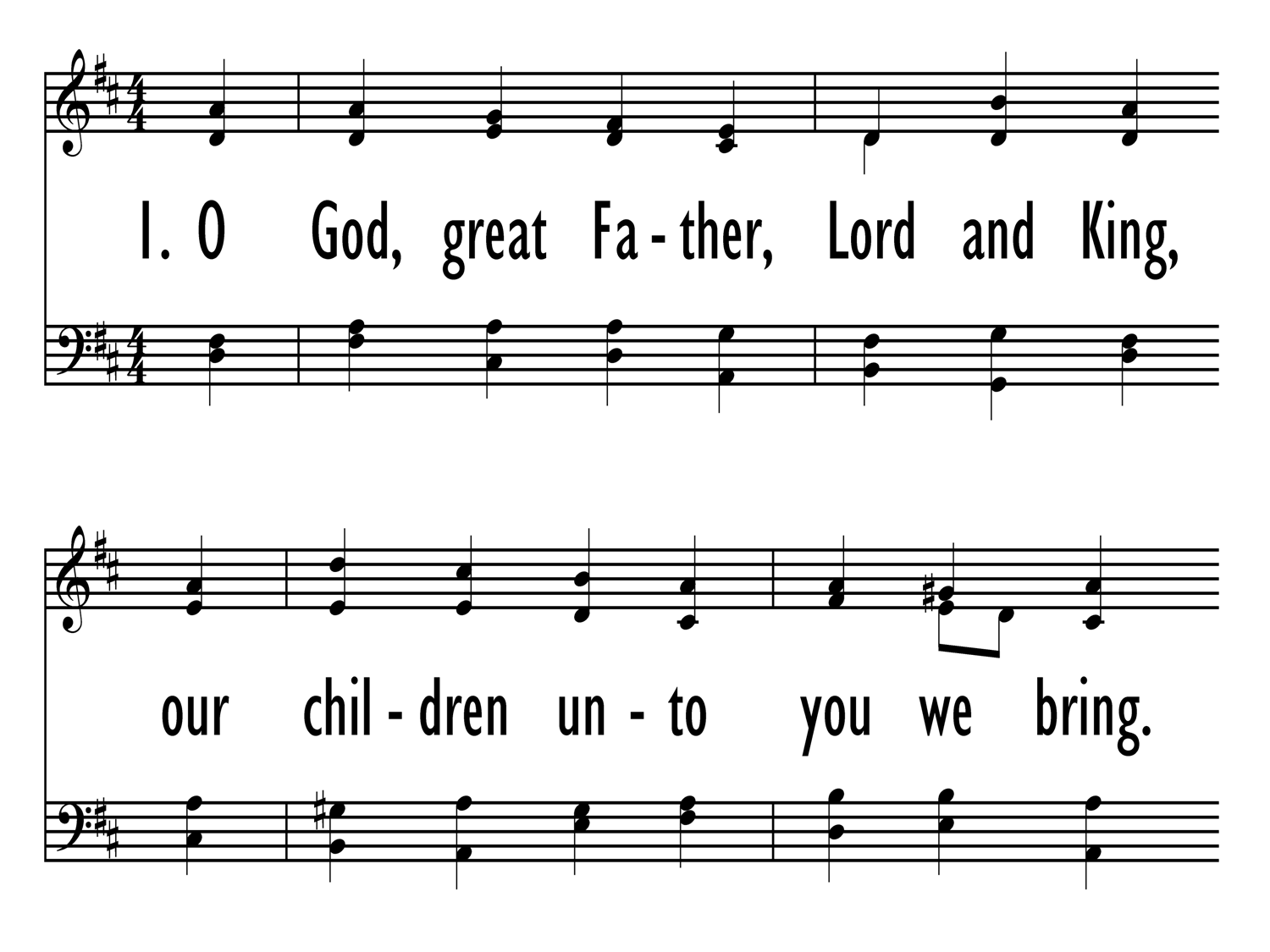
Text: O God, Great Father, Lord and King

Instances

Instances (14)TextImageAudioScore
Christian Classics Ethereal Hymnary #590AudioScore
Church Hymnary, Fourth Edition #214bText
Common Praise #7Text
Common Praise: A new edition of Hymns Ancient and Modern #6aText
Hymnal 1982: according to the use of the Episcopal Church #531TextImage
Lift Up Your Hearts: psalms, hymns, and spiritual songs #301Image
Lift Up Your Hearts: psalms, hymns, and spiritual songs #801Image
Psalms for All Seasons: a complete Psalter for worship #112AImage
Psalter Hymnal (Gray) #112TextImageAudioScore
Psalter Hymnal (Gray) #274TextImageAudioScore
Rejoice in the Lord #73Text
Rejoice in the Lord #74Text
Rejoice in the Lord #519Text
Voices United: The Hymn and Worship Book of The United Church of Canada #405Text