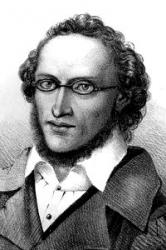
1620 - 1677 Person Name: Jodokus von Lodenstein Topics: Tilføiede Salmer; Added Hymns; Andre Søndag I Advent Til Aftengudstjeneste - Til Sekund Tekstrækkes Lektie; Second Sunday in Advent; Første Søndag efter Hellig 3 Kongers Dag Til Høimesse; First Sunday after Epiphany; Andre Søndag efter Hellig 3 Kongers Dag Til Høimesse -Til Sekund Tekstrækkes Evangelium; Second Sunday after Epiphany; Tredje Søndag efter Hellig 3 Kongers Dag Til Aftengudstjeneste; Third Sunday after Epiphany; Søndag Septuagesima Til Høimesse -Til Sekund Tekstrækkes Evangelium; Septuagesima Sunday; Første Søndag I Faste Til Høimesse -Til Sekund Tekstrækkes Evangelium; First Sunday in Lent; Andre Søndag I Faste Til Høimesse -Til Sekund Tekstrækkes Evangelium; Second Sunday in Lent; Marias Bebudelses Dag Til Høimesse; Annunciation; Skjærtorsdag Til Høimesse -Til Tredje Teksxtækkes Evangelium; Maundy Thursday; Fjerde Søndag efter Paaske Til Aftengudstjeneste - Til Sekund Tekstrækkes Epistel; Fourth Sunday after Easter; Andre Søndag efter Trefoldiheds Fest Til Høimesse -Til Sekund Tekstrækkes Evangelium; Andre Søndag efter Trefoldiheds Fest Til Høimesse -Til Tredje Teksxtækkes Evangelium; Second Sunday after Trinity Sunday; Second Sunday after Trinity Sunday; Fjerde Søndag efter Trefoldiheds Fest Til Høimesse; Fjerde Søndag efter Trefoldiheds Fest Til Høimesse -Til Tredje Teksxtækkes Evangelium; Fourth Sunday after Trinity Sunday; Fourth Sunday after Trinity Sunday; Trettende Søndag efter Trefoldiheds Fest Til Høimesse -Til Sekund Tekstrækkes Evangelium; Thirteenth Sunday after Trinity Sunday; Tjuefjerde Søndag efter Trefoldiheds Fest Til Høimesse -Til Sekund Tekstrækkes Evangelium; Twenty fourth Sunday after Trinity Sunday; Efterfølgelse, Jesu; Obedience of Jesus; Heiliggjørelse; Sanctification; Hengivelse til Jesus; Devotion to Jesus; Legemet I Herrens Tjeneste; The Body in the Lord's Service; Næstekjærlighed; Charity; Renhed; Purity; Sagtmodighed; Meekness; Taalmodighed; Patience; Ydmyghed; Humility Author of "Hellig' Jesus, Renheds Kilde" in Salmebog for Lutherske Kristne i Amerika Lodenstein, Jodocus van, son of Joost Corneliss van Lodenstein, burgomaster of Delft, was born at Delft Feb. 6, 1620. After studying at the Universities of Utrecht and Franeker he was appointed in 1644 pastor at Zoetermeer and Zegwaard, near Delft; in 1650 at Sluys (Sluis, near the boundary of Flanders); and in 1653 at Utrecht. He died at Utrecht Aug. 6, 1677 (Allg. Deutsche Biog., xix. 73-75).
A pastor of the Reformed Church, he was spiritually allied to the Mystics. After 1665, not being able to exclude the worldly, he ceased to dispense the Holy Communion and altered the Baptismal formula; but never separated from the Church.
His hymns appeared in his Uyt-Spanningen, Behelfende eenige stigtelyke Liederen en andere Gedigten, &c, Utrecht, 1676 [Berlin], which passed through many editions. Two are translated, viz.:—
1. Hemelsch Ooge! Wilt gy dogen. [Love to God.] 1676, p. 346, in 9 st. entitled "Solitude with God." It has passed into English through
Ich will einsam und gemeinsam. No. 723, in Freylinghausen's Gesang-Buch, 1705; Porst's Gesang-Buch, ed. 1855, No. 385. It is a free translation in 5 stanzas of 6 lines, and is probably by C. A. Bernstein (p. 135, ii.), certainly not by Gr. Arnold or G. Tersteegen. Translated as (1) “Quite alone and yet not lonely," in full, from the 1105, as No. 680 in pt. i. of the Moravian Hymn Book, 1754. In the Moravian Hymn Book, 1789 (1886, No. 702), the trs. of stanzas i., ii., were reduced to 8.7.8.7, and this form is also in the Bible Hymn Book, 1845.
2. Heylge Jesu! Hemelsch Voorbeeld! [Christ our Example.] 1676, p. 152, in 9 stanzas, entitled "Jesus Pattern." It has passed into English through
Heiligster Jesu, Heiligungsquelle, tr. in full. This has not yet been traced earlier than G. Arnold's Göttliche Sophia, 1700, pt. ii. p. 327, where it is No. 17 of “some hitherto unknown poems, mostly composed by others.” As it is found in this section it is perhaps more probably by B. Crasselius (q. v.). Koch, vi. 6, and viii. 437, characterises it as "a pearl in the Evangelical Treasury of Song and a genuine Christian moral hymn, of more importance than a hundred of the so-called moral hymns in the second half of the eighteenth cen¬tury." In the Berlin
Jodocus van Lodenstein


 My Starred Hymns
 My FlexScores
 My Hymnals
 My Purchased Files