You help make Hymnary.org possible. More than 10 million people from 200+ countries found hymns, liturgical resources and encouragement on Hymnary.org in 2025, including you. Every visit affirms the global impact of this ministry.

If Hymnary has been meaningful to you this year, would you take a moment today to help sustain it? A gift of any size—paired with a note of encouragement if you wish—directly supports the server costs, research work and curation that keep this resource freely available to the world.

Give securely online today, or mail a check to:
Hymnary.org
Calvin University
3201 Burton Street SE
Grand Rapids, MI 49546

Thank you for your partnership, and may the hope of Advent fill your heart.

Search Results

Topics:twelfth+sunday+after+trinity

Planning worship? Check out our sister site, ZeteoSearch.org, for 20+ additional resources related to your search.

Texts

text icon
Text authorities
TextPage scansFlexScoreFlexPresent

O for a thousand tongues to sing

Author: C. Wesley Meter: 8.6.8.6 Appears in 1,808 hymnals Topics: The Church Year Twelfth Sunday after Trinity; The Church Year Twelfth Sunday after Trinity Lyrics: 1 O for a thousand tongues to sing My great Redeemer's praise, The glories of my God and King, The triumphs of His grace! 2 My gracious Master and my God, Assist me to proclaim, To spread, through all the earth abroad, The honors of Thy name. 3 Jesus! the name that charms our fears, That bids our sorrows cease; 'Tis music in the sinner's ears; 'Tis life, and health, and peace. 4 He breaks the power of reigning sin, He sets the prisoner free; His blood can make the foulest clean; His blood availed for me. 5 He speaks, and, listening to His voice, New life the dead receive; The mournful, broken hearts rejoice; The humble poor believe. Used With Tune: [O for a thousand tongues to sing]
TextPage scans

Jesus! Name of wondrous love!

Author: William Walsham How Appears in 169 hymnals Topics: Twelfth Sunday after Trinity Lyrics: 1 Jesus! Name of wondrous love! Name all other names above! Name at which must every knee Bow in deep humility. 2 Jesus! Name of priceless worth To the fallen sons of earth, For the promise that it gave-- "Jesus shall His people save." 3 Jesus! Name of mercy mild, Given to the holy Child. When the cup of human woe First He tasted here below. 4 Jesus! Only Name that's given Under all the mighty heaven, Whereby man, to sin enslaved, Burst his fetters, and is saved. 5 Jesus! Name of wondrous Love! Human Name of Him above! Pleading only this we flee, Helpless, 0 our God, to Thee. Used With Tune: ROSEFIELD
TextPage scans

The Gospel shows the Father's grace

Author: Rev. Matthias Loy, D. D. Appears in 17 hymnals Topics: Twelfth Sunday after Trinity Lyrics: 1 The Gospel shows the Father's grace, Who sent His Son to save our race: Proclaims how Jesus lived and died That we might thus be justified. 2 It sets the Lamb before our eyes, Who made th' atoning sacrifice, And calls the souls with guilt oppressed To come and find eternal rest. 3 It brings the Savior's righteousness Our souls to robe in royal dress; From all our guilt it brings release, And gives the troubled conscience peace. 4 It is the power of God to save From sin and Satan and the grave; It works the faith, which firmly clings To all the treasures which it brings. 5 It bears to all the tidings glad And bids their hearts no more be sad: The heavy laden soul it cheers And banishes their guilty fears. 6 May we in faith its tidings learn Nor thanklessly its blessings spurn; May we in faith its truth confess, And praise the Lord our righteousness. Used With Tune: RETREAT

Tunes

tune icon
Tune authorities
Page scansAudio

ROSEFIELD

Appears in 119 hymnals Topics: Twelfth Sunday after Trinity Tune Key: B Flat Major Incipit: 55112 12361 65132 Used With Text: Jesus! Name of wondrous love!
Page scansAudio

DUNDEE

Meter: 8.6.8.6 Appears in 929 hymnals Topics: Twelfth Sunday after Trinity Tune Key: E Flat Major Incipit: 13451 23432 11715 Used With Text: All that I was, my sin, my guilt
Page scansFlexScoreAudio

DEDHAM

Appears in 178 hymnals Composer and/or Arranger: William Gardiner Topics: Twelfth Sunday after Trinity Tune Key: A Major Incipit: 12235 43223 21765 Used With Text: God moves in a mysterious way

Instances

instance icon
Published text-tune combinations (hymns) from specific hymnals
Text

Guds salige Godhed og Naade

Author: J. Brunsmand Hymnal: M. B. Landstads Kirkesalmebog og "Nokre Salmar" ved Professor Dr. E. Blix, samt følgende tillæg #475 (1897) Topics: Twelfth Sunday after Trinity Sunday High Mass; Twelfth Sunday after Trinity Sunday For Evening Lyrics: 1 Guds salige Godhed og Naade, Som haver ei Maal eller Maade, Sig alle tilkjende har givet, Indbyder os alle til Livet. 2 Den driver os alle og tugter, At bære Omvendelsens Frugter, Og Synden at sky og forlade, Som Helvede selv den at hade; 3 Al verdslig Begjæring forsage, Paa det vi maa Herren behage, Og lever vort høie Kald værdig, Gudfrygtig og tugtig, retfærdig. 4 Og efter hans salig Vilje Og Velbehag stedse os stille, Samt altid med inderlig Længsel At løses og løftes af Fængsel; 5 Den store Guds Komme forvente, Naar han de Udvalte vil hente Med Aander og Englernes Skare, Sin Helligheds Kraft aabenbare; 6 Som leed for os Pine og Smerte, At rense vort syndige Hjerte, Al Ondskab fra os at bortskjære, At vi maa hans Eiendom være; 7 Og stedse i Sind og Aand rene Af Hjertet ham troligen tjene, Den Helligaand ikke bedrøve, I alt Godt os idelig øve. 8 Det giv os, o naadige Fader, Som, ei dine Venner forlader, Paa det vi saa evig dig kunde Lovsynge med Hjerter og Munde! Languages: Norwegian
TextPage scan

Bryd frem, mit Hjertes Trang at lindre

Author: Ludvig Gotter; Brorson Hymnal: Salmebog for Lutherske Kristne i Amerika #118 (1919) Topics: Twelfth Sunday after Trinity Sunday; Twelfth Sunday after Trinity Sunday Lyrics: 1 Bryd frem, mit Hjertes Trang at lindre, O arme Synd'res Dag og Sol! Lad intet Forhæng mere hindre Min Indgang til vor Naadestol, Lad den dog ikke gaa iblinde, Som vil saa gjerne Lyset finde! 2 Du ene var og er og bliver Den arme Verdens rige Trøst, Det Vidnesbyrd enhver dig giver, Som kjender dig, vor Hjertens Lyst; Saa stor er ingen Nød at finde, Som ikke for din Kraft maa svinde. 3 Du gjør det, at de Døve høre, De Blinde faa sit Syn igjen, Den Halte friske Trin kan gjøre, Spedalskhed viger for dig hen; De Døde har du Aand og Livet Og alle Arme Lædske givet. 4 Har du nu før saa vældig øvet Dit Herredømmes store Magt, Hvi gaar jeg da saa høit bedrøvet? O Jesus, tag min Sjæl i Agt! Vis, at du endnu er den samme, Som Satans Vælde gjør til Skamme! 5 Du ser, hvordan vi gaa i Blinde, Og sanse ei vor Sjælesag, O lad dog Naadens Lys oprinde, Og gjør det i mit Hjerte Dag, At jeg grandgivelig kan kjende Den Vei, jeg gaar og Veiens Ende! 6 Oplad og gjennembor mit Øre, Blandt dine Tjenere at staa, Som uophørlig gjerne gjøre, Hvad du i Ordet peger paa, Og aldrig andet foretage, End hvad min Herre kan behage. 7 Jeg halter, snubler, gaar i Mørke, Og støder an i lidt og stort, O, lad din Aand og store Styrke Mig give Kraft, og hjælpe fort, Ret frem og faste Trin at gjøre, Saa jeg mig vild ei lader føre! 8 O, hva kan læge og fordrive, Den Synde-Sygdom ond og led? Det kan du, Jesus! Kom at blive Mig Visdom bliv mig Hellighed! Din Død og Lærdom kan alene Mod den fortviled' Jammer tjene. 9 Død er min Sjæl til alt det Gode, Slet intet veed og mindre kan, O lad din Kraft den Skade bode, Give styrket Vilje og Forstand, At jeg et saadant Træ maa være, Som dig utallig Frugt kan bære! 10 Jeg fattig er og fuld af Plage, O naaderige Jesus, kom, Og lad mit arme Hjerte smage Dit søde Evangelium, At jeg endogsaa her i Live Maa derved rig og salig blive! Languages: Norwegian
Text

Bryd frem, mit Hjertes Trang at lindre

Author: L. A. Gotter; Brorson Hymnal: M. B. Landstads Kirkesalmebog og "Nokre Salmar" ved Professor Dr. E. Blix, samt følgende tillæg #118 (1897) Topics: Twelfth Sunday after Trinity Sunday High Mass; Twelfth Sunday after Trinity Sunday High Mass Lyrics: 1 Bryd frem, mit Hjertes Trang at lindre, O arme Synd'res Dag og Sol! Lad intet Forhæng mere hindre Min Indgang til vor Naadestol, Lad den dog ikke gaa i Blinde, Som vil saa gjerne Lyset finde! 2 Du ene var og er og bliver Den arme Verdens rige Trøst, Det Vidnesbyrd enhver dig giver, Som kjender dig, vor Hjertens Lyst; Saa stor er ingen Nød at finde, Som ikke for din Kraft maa svinde. 3 Du gjør det, at de Døve høre, De Blinde faa sit Syn igjen, Den Halte friske Trin kan gjøre, Spedalskhed viger for dig hen; De Døde har du Aand og Livet Og alle Arme Lædske givet. 4 Har du nu før saa veldig øvet Dit Herredømmes store Magt, Hvi gaar jeg da saa høit bedrøvet? O Jesu, tag min Sjæl i Agt! Viis, at du endnu er den samme, Som Satans Vælde gjør til Skamme! 5 Du ser, hvordan vi gaa i Blinde, Og sanse ei vor Sjælesag, O lad lad dog Naadens Lys oprinde, Og gjør det i mit Hjerte Dag, At jeg grangivelig kan kjende Den Vei, jeg gaar og Veiens Ende! 6 Oplad og gjennembor mit Øre, Blandt dine Tjenere at staa, Som uophørlig gjerne gjøre, Hvad du i Ordet peger paa, Og aldrig andet foretage, End hvad min Herre kan behage. 7 Jeg halter, snubler, gaar i Mørke, Og støder an i lidt og stort, O, lad din Aand og store Styrke Mig give Kraft, og hjælpe fort, Ret frem og faste Trin at gjøre, Saa jeg mig vild ei lader føre! 8 O, hva kan læge og fordrive, Den Synde-Sygdom ond og leed? Det kan du, Jesu! Kom at blive Mig Visdom bliv mig Hellighed! Din Død og Lærdom kan alene Mod den fortviled' Jammer tjene. 9 Død er min Sjæl til alt det Gode, Slet intet veed, og mindre kan, O lad din Kraft den Skade bode, Give styrket Vilje og Forstand, At jeg et saadant Træ maa være, Som dig utallig Frugt kan bære! 10 Jeg fattig er og fuld af Plage, O naaderige Jesu, kom, Og lad mit arme Hjerte smage Dit søde Evangelium, At jeg endogsaa her i Live Maa derved rig og salig blive! Languages: Norwegian Tune Title: [Bryd frem, mit Hjertes Trang at lindre]

People

person icon
Authors, composers, editors, etc.

William Walsham How

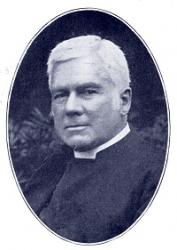
1823 - 1897 Topics: Twelfth Sunday after Trinity Author of "Jesus! Name of wondrous love!" in Church Book William W. How (b. Shrewsbury, Shropshire, England, 1823; d. Leenane, County Mayo, Ireland, 1897) studied at Wadham College, Oxford, and Durham University and was ordained in the Church of England in 1847. He served various congregations and became Suffragan Bishop in east London in 1879 and Bishop of Wakefield in 1888. Called both the "poor man's bishop" and "the children's bishop," How was known for his work among the destitute in the London slums and among the factory workers in west Yorkshire. He wrote a number of theological works about controversies surrounding the Oxford Movement and attempted to reconcile biblical creation with the theory of evolution. He was joint editor of Psalms and Hymns (1854) and Church Hymns (1871). While rector in Whittington, How wrote some sixty hymns, including many for chil­dren. His collected Poems and Hymns were published in 1886. Bert Polman =============== How, William Walsham, D.D., son of William Wybergh How, Solicitor, Shrewsbury, was born Dec. 13, 1823, at Shrewsbury, and educated at Shrewsbury School and Wadham College, Oxford (B.A. 1845). Taking Holy Orders in 1846, he became successively Curate of St. George's, Kidderminster, 1846; and of Holy Cross, Shrewsbury, 1848. In 1851 he was preferred to the Rectory of Whittington, Diocese of St. Asaph, becoming Rural Dean in 1853, and Hon. Canon of the Cathedral in 1860. In 1879 he was appointed Rector of St. Andrew's Undershaft, London, and was consecrated Suffragan Bishop for East London, under the title of the Bishop of Bedford, and in 1888 Bishop of Wakefield. Bishop How is the author of the Society for Promoting Christian Knowledge Commentary on the Four Gospels; Plain Words , Four Series; Plain Words for Children; Pastor in Parochia; Lectures on Pastoral Work; Three All Saints Summers, and Other Poems , and numerous Sermons , &c. In 1854 was published Psalms and Hymns, Compiled by the Rev. Thomas Baker Morrell, M.A., . . . and the Rev. William Walsham How, M.A. This was republished in an enlarged form in 1864, and to it was added a Supplement in 1867. To this collection Bishop How contributed several hymns, and also to the S. P. C. K. Church Hymns , of which he was joint editor, in 1871. The Bishop's hymns in common use amount in all to nearly sixty. Combining pure rhythm with great directness and simplicity, Bishop How's compositions arrest attention more through a comprehensive grasp of the subject and the unexpected light thrown upon and warmth infused into facia and details usually shunned by the poet, than through glowing imagery and impassioned rhetoric. He has painted lovely images woven with tender thoughts, but these are few, and found in his least appreciated work. Those compositions which have laid the firmest hold upon the Church, are simple, unadorned, but enthusiastically practical hymns, the most popular of which, "O Jesu, Thou art standing"; "For all the Saints who from their labours rest," and "We give Thee but Thine own," have attained to a foremost rank. His adaptations from other writers as in the case from Bishop Ken, "Behold, the Master passeth by," are good, and his Children's hymns are useful and popular. Without any claims to rank as a poet, in the sense in which Cowper and Montgomery were poets, he has sung us songs which will probably outlive all his other literary works. The more important of Bishop How's hymns, including those already named, and "Lord, Thy children guide and keep"; "O Word of God Incarnate"; "This day at Thy creating word"; "Who is this so weak and helpless"; and others which have some special history or feature of interest, are annotated under their respective first lines. The following are also in common use:— i. From Psalms & Hymns, 1854. 1. Before Thine awful presence, Lord. Confirmation. 2. Jesus, Name of wondrous love [priceless worth]. Circumcision. The Name Jesus . 3. Lord Jesus, when we stand afar. Passiontide. 4. O blessing rich, for sons of men. Members of Christ. 5. 0 Lord of Hosts, the earth is Thine. In time of War. 6. O Lord, Who in Thy wondrous love. Advent. ii. From Psalms & Hymns, enlarged, 1864. 7. Lord, this day Thy children meet. Sunday School Anniversary. iii. From Supplement to the Psalms & Hymns, 1867. 8. Hope of hopes and joy of joys. Resurrection. 9. 0 daughters blest of Galilee. For Associations of Women. 10. O happy feet that tread. Public Worship. 11. With trembling awe the chosen three. Transfiguration. iv. From Parish Magazine, 1871, and Church Hymns, 1871. 12. O Jesu, crucified for man. Friday. 13. Yesterday, with worship blest. Monday. v. From the S. P. C. K. Church Hymns. 1871. 14. Bowed low in supplication. For the Parish. 15. Great Gabriel sped on wings of light. Annunciation, of the Blessed Virgin Mary. 16. O blest was he, whose earlier skill. St. Luke. 17. O God, enshrined in dazzling light. Omnipresence. Divine Worship . 18. O heavenly Fount of Light and Love. Witsuntide. 19. O Lord, it is a blessed thing. Weekdays. 20. 0 One with God the Father. Epiphany. 21. O Thou through suffering perfect made. Hospitals. 22. Rejoice, ye sons of men. Purification of the B. V. M. 23. Summer suns are glowing. Summer. 24. The year is swiftly waning. Autumn. 25. Thou art the Christ, O Lord. St. Peter. 26. To Thee our God we fly. National Hymn. 27. Upon the holy Mount they stood. Transfiguration and Church Guilds. 28. We praise Thy grace, 0 Saviour. St. Mark. vi. From the S. P. C. K. Children's Hymns, 1872. 29. Behold a little child. Jesus the Child's Example. 30. Come, praise your Lord and Saviour. Children's Praises. 31. It is a thing most wonderful. Sunday School Anniversary. 32. On wings of living light. Easter. Bishop How's hymns and sacred and secular pieces were collected and published as Poems and Hymns, 1886. The Hymns, 54 in all, are also published separately. He d. Aug. 10, 1897. --John Julian, Dictionary of Hymnology (1907) =================== How, W. W., p. 540, i. He died Aug. 10, 1897. His Memoir, by F. D. How, was published in 1898. --John Julian, Dictionary of Hymnology, New Supplement (1907)

John Warrington Hatton

1710 - 1793 Person Name: J. Hatton, d. 1793 Topics: The Church Year Twelfth Sunday after Trinity; The Church Year Twelfth Sunday after Trinity Composer of "[O Jesus, Lord of heavenly grace]" in The Lutheran Hymnary John Warrington Hatton (b. Warrington, England, c. 1710; d, St. Helen's, Lancaster, England, 1793) was christened in Warrington, Lancashire, England. He supposedly lived on Duke Street in Lancashire, from where his famous tune name comes. Very little is known about Hatton, but he was most likely a Presbyterian, and the story goes that he was killed in a stagecoach accident. Bert Polman

John Newton

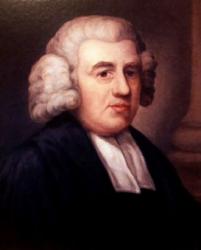
1725 - 1807 Topics: Twelfth Sunday after Trinity Author of "One there is above all others" in Church Book John Newton (b. London, England, 1725; d. London, 1807) was born into a Christian home, but his godly mother died when he was seven, and he joined his father at sea when he was eleven. His licentious and tumul­tuous sailing life included a flogging for attempted desertion from the Royal Navy and captivity by a slave trader in West Africa. After his escape he himself became the captain of a slave ship. Several factors contributed to Newton's conversion: a near-drowning in 1748, the piety of his friend Mary Catlett, (whom he married in 1750), and his reading of Thomas à Kempis' Imitation of Christ. In 1754 he gave up the slave trade and, in association with William Wilberforce, eventually became an ardent abolitionist. After becoming a tide-surveyor in Liverpool, England, Newton came under the influence of George Whitefield and John and Charles Wesley and began to study for the ministry. He was ordained in the Church of England and served in Olney (1764-1780) and St. Mary Woolnoth, London (1780-1807). His legacy to the Christian church includes his hymns as well as his collaboration with William Cowper (PHH 434) in publishing Olney Hymns (1779), to which Newton contributed 280 hymns, including “Amazing Grace.” Bert Polman ================== Newton, John, who was born in London, July 24, 1725, and died there Dec. 21, 1807, occupied an unique position among the founders of the Evangelical School, due as much to the romance of his young life and the striking history of his conversion, as to his force of character. His mother, a pious Dissenter, stored his childish mind with Scripture, but died when he was seven years old. At the age of eleven, after two years' schooling, during which he learned the rudiments of Latin, he went to sea with his father. His life at sea teems with wonderful escapes, vivid dreams, and sailor recklessness. He grew into an abandoned and godless sailor. The religious fits of his boyhood changed into settled infidelity, through the study of Shaftesbury and the instruction of one of his comrades. Disappointing repeatedly the plans of his father, he was flogged as a deserter from the navy, and for fifteen months lived, half-starved and ill-treated, in abject degradation under a slave-dealer in Africa. The one restraining influence of his life was his faithful love for his future wife, Mary Catlett, formed when he was seventeen, and she only in her fourteenth year. A chance reading of Thomas à Kempis sowed the seed of his conversion; which quickened under the awful contemplations of a night spent in steering a water-logged vessel in the face of apparent death (1748). He was then twenty-three. The six following years, during which he commanded a slave ship, matured his Christian belief. Nine years more, spent chiefly at Liverpool, in intercourse with Whitefield, Wesley, and Nonconformists, in the study of Hebrew and Greek, in exercises of devotion and occasional preaching among the Dissenters, elapsed before his ordination to the curacy of Olney, Bucks (1764). The Olney period was the most fruitful of his life. His zeal in pastoral visiting, preaching and prayer-meetings was unwearied. He formed his lifelong friendship with Cowper, and became the spiritual father of Scott the commentator. At Olney his best works—-Omicron's Letters (1774); Olney Hymns (1779); Cardiphonia, written from Olney, though published 1781—were composed. As rector of St. Mary Woolnoth, London, in the centre of the Evangelical movement (1780-1807) his zeal was as ardent as before. In 1805, when no longer able to read his text, his reply when pressed to discontinue preaching, was, "What, shall the old African blasphemer stop while he can speak!" The story of his sins and his conversion, published by himself, and the subject of lifelong allusion, was the base of his influence; but it would have been little but for the vigour of his mind (shown even in Africa by his reading Euclid drawing its figures on the sand), his warm heart, candour, tolerance, and piety. These qualities gained him the friendship of Hannah More, Cecil, Wilberforce, and others; and his renown as a guide in experimental religion made him the centre of a host of inquirers, with whom he maintained patient, loving, and generally judicious correspondence, of which a monument remains in the often beautiful letters of Cardiphonia. As a hymnwriter, Montgomery says that he was distanced by Cowper. But Lord Selborne's contrast of the "manliness" of Newton and the "tenderness" of Cowper is far juster. A comparison of the hymns of both in The Book of Praise will show no great inequality between them. Amid much that is bald, tame, and matter-of-fact, his rich acquaintance with Scripture, knowledge of the heart, directness and force, and a certain sailor imagination, tell strongly. The one splendid hymn of praise, "Glorious things of thee are spoken," in the Olney collection, is his. "One there is above all others" has a depth of realizing love, sustained excellence of expression, and ease of development. "How sweet the name of Jesus sounds" is in Scriptural richness superior, and in structure, cadence, and almost tenderness, equal to Cowper's "Oh! for a closer walk with God." The most characteristic hymns are those which depict in the language of intense humiliation his mourning for the abiding sins of his regenerate life, and the sense of the withdrawal of God's face, coincident with the never-failing conviction of acceptance in The Beloved. The feeling may be seen in the speeches, writings, and diaries of his whole life. [Rev. H. Leigh Bennett, M.A.] A large number of Newton's hymns have some personal history connected with them, or were associated with circumstances of importance. These are annotated under their respective first lines. Of the rest, the known history of which is confined to the fact that they appeared in the Olney Hymns, 1779, the following are in common use:— 1. Be still, my heart, these anxious cares. Conflict. 2. Begone, unbelief, my Saviour is near. Trust. 3. By the poor widow's oil and meal. Providence. 4. Chief Shepherd of Thy chosen sheep. On behalf of Ministers. 5. Darkness overspreads us here. Hope. 6. Does the Gospel-word proclaim. Rest in Christ. 7. Fix my heart and eyes on Thine. True Happiness. 8. From Egypt lately freed. The Pilgrim's Song. 9. He Who on earth as man was Known. Christ the Rock. 10. How blest are they to whom the Lord. Gospel Privileges. 11. How blest the righteous are. Death of the Righteous. 12. How lost was my [our] condition. Christ the Physician. 13. How tedious and tasteless the hours. Fellowship with Christ. 14. How welcome to the saints [soul] when pressed. Sunday. 15. Hungry, and faint, and poor. Before Sermon. 16. In mercy, not in wrath, rebuke. Pleading for Mercy. 17. In themselves, as weak as worms. Power of Prayer. 18. Incarnate God, the soul that knows. The Believer's Safety. 19. Jesus, Who bought us with His blood. The God of Israel. "Teach us, 0 Lord, aright to plead," is from this hymn. 20. Joy is a [the] fruit that will not grow. Joy. 21. Let hearts and tongues unite. Close of the Year. From this "Now, through another year," is taken. 22. Let us adore the grace that seeks. New Year. 23. Mary to her [the] Saviour's tomb. Easter. 24. Mercy, 0 Thou Son of David. Blind Bartimeus. 25. My harp untun'd and laid aside. Hoping for a Revival. From this "While I to grief my soul gave way" is taken. 26. Nay, I cannot let thee go. Prayer. Sometimes, "Lord, I cannot let Thee go." 27. Now may He Who from the dead. After Sermon. 28. 0 happy they who know the Lord, With whom He deigns to dwell. Gospel Privilege. 29. O Lord, how vile am I. Lent. 30. On man in His own Image made. Adam. 31. 0 speak that gracious word again. Peace through Pardon. 32. Our Lord, Who knows full well. The Importunate Widow. Sometimes altered to "Jesus, Who knows full well," and again, "The Lord, Who truly knows." 33. Physician of my sin-sick soul. Lent. 34. Pleasing spring again is here. Spring. 35. Poor, weak, and worthless, though I am. Jesus the Friend. 36. Prepare a thankful song. Praise to Jesus. 37. Refreshed by the bread and wine. Holy Communion. Sometimes given as "Refreshed by sacred bread and wine." 38. Rejoice, believer, in the Lord. Sometimes “Let us rejoice in Christ the Lord." Perseverance. 39. Salvation, what a glorious plan. Salvation. 40. Saviour, shine and cheer my soul. Trust in Jesus. The cento "Once I thought my mountain strong," is from this hymn. 41. Saviour, visit Thy plantation. Prayer for the Church. 42. See another year [week] is gone. Uncertainty of Life. 43. See the corn again in ear. Harvest. 44. Sinner, art thou still secure? Preparation for the Future. 45. Sinners, hear the [thy] Saviour's call. Invitation. 46. Sovereign grace has power alone. The two Malefactors. 47. Stop, poor sinner, stop and think. Caution and Alarm. 48. Sweeter sounds than music knows. Christmas. 49. Sweet was the time when first I felt. Joy in Believing. 50. Ten thousand talents once I owed. Forgiveness and Peace. 51. The grass and flowers, which clothe the field. Hay-time. 52. The peace which God alone reveals. Close of Service. 53. Thy promise, Lord, and Thy command. Before Sermon. 54. Time, by moments, steals away. The New Year. 55. To Thee our wants are known. Close of Divine Service. 56. We seek a rest beyond the skies. Heaven anticipated. 57. When any turn from Zion's way. Jesus only. 58. When Israel, by divine command. God, the Guide and Sustainer of Life. 59. With Israel's God who can compare? After Sermon. 60. Yes, since God Himself has said it. Confidence. 61. Zion, the city of our God. Journeying Zionward. -- John Julian, Dictionary of Hymnology (1907) ================= Newton, J., p. 803, i. Another hymn in common use from the Olney Hymns, 1779, is "Let me dwell on Golgotha" (Holy Communion). --John Julian, Dictionary of Hymnology, Appendix, Part II (1907) ----- John Newton was born in London, July 24, 1725. His mother died when he was seven years old. In his eleventh year he accompanied his father, a sea captain, on a voyage. For several years his life was one of dissipation and crime. He was disgraced while in the navy. Afterwards he engaged in the slave trade. Returning to England in 1748, the vessel was nearly wrecked in a storm. This peril forced solemn reflection upon him, and from that time he was a changed man. It was six years, however, before he relinquished the slave trade, which was not then regarded as an unlawful occupation. But in 1754, he gave up sea-faring life, and holding some favourable civil position, began also religious work. In 1764, in his thirty-ninth year, he entered upon a regular ministry as the Curate of Olney. In this position he had intimate intercourse with Cowper, and with him produced the "Olney Hymns." In 1779, Newton became Rector of S. Mary Woolnoth, in London, in which position he became more widely known. It was here he died, Dec. 21, 1807, His published works are quite numerous, consisting of sermons, letters, devotional aids, and hymns. He calls his hymns "The fruit and expression of his own experience." --Annotations of the Hymnal, Charles Hutchins, M.A. 1872 See also in: Hymn Writers of the Church =======================
It looks like you are using an ad-blocker. Ad revenue helps keep us running. Please consider white-listing Hymnary.org or getting Hymnary Pro to eliminate ads entirely and help support Hymnary.org.