

 My Starred Hymns
 My FlexScores
 My Hymnals
 My Purchased Files


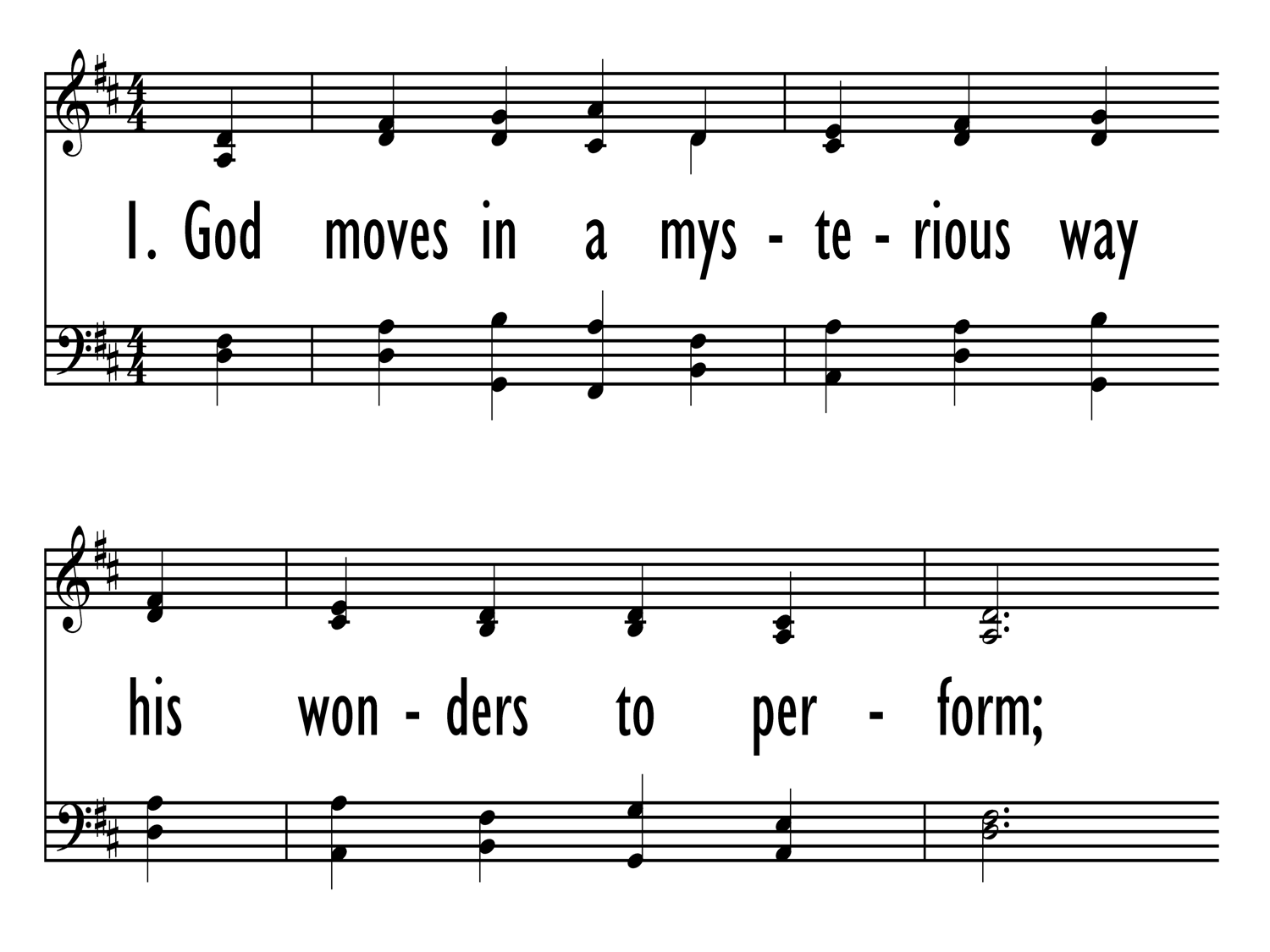
Ambassador Hymnal #273
Tune Title: O LORD, OUR LITTLE ONES First Line: O Lord, our little ones to Thee Composer: Ludwig van Beethoven, 1770-1827 Meter: CM Key: F Major Date: 1994
Ambassador Hymnal #273
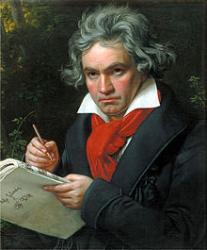 A giant in the history of music, Ludwig van Beethoven (b. Bonn, Germany, 1770; d. Vienna, Austria, 1827) progressed from early musical promise to worldwide, lasting fame. By the age of fourteen he was an accomplished viola and organ player, but he became famous primarily because of his compositions, including nine symphonies, eleven overtures, thirty piano sonatas, sixteen string quartets, the Mass in C, and the Missa Solemnis. He wrote no music for congregational use, but various arrangers adapted some of his musical themes as hymn tunes; the most famous of these is ODE TO JOY from the Ninth Symphony. Although it would appear that the great calamity of Beethoven's life was his loss of hearing, which turned to total deafness during the last… Go to person page >






