

 My Starred Hymns
 My Hymnals
 My Purchased Files



A Classic Christmas Caroling Songbook #9
Display Title: Good Christian Friends, Rejoice First Line: Good Christian friends, rejoice Tune Title: In Dulci Jubilo Date: 2016
A Classic Christmas Caroling Songbook #9

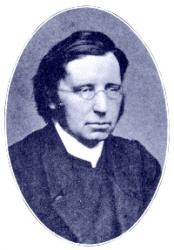 John M. Neale's life is a study in contrasts: born into an evangelical home, he had sympathies toward Rome; in perpetual ill health, he was incredibly productive; of scholarly temperament, he devoted much time to improving social conditions in his area; often ignored or despised by his contemporaries, he is lauded today for his contributions to the church and hymnody. Neale's gifts came to expression early–he won the Seatonian prize for religious poetry eleven times while a student at Trinity College, Cambridge, England. He was ordained in the Church of England in 1842, but ill health and his strong support of the Oxford Movement kept him from ordinary parish ministry. So Neale spent the years between 1846 and 1866 as a warden of Sackvi… Go to person page >






