Scripture References:
all st. = Eph. 3:19
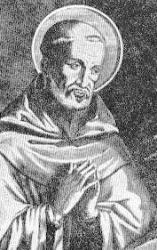
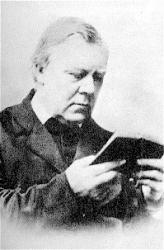
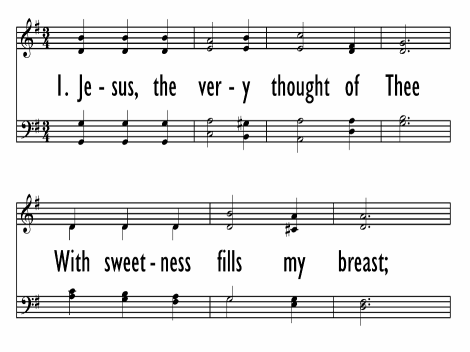
The extended (forty-two stanzas) Latin poem 'Jesu, dulcis memo¬ria" is the source of this text (see discussion at PHH 307, which includes its traditional attribution to Bernard of Clairveaux). Although some scholars believe the poem was written by Bernard, others suggest that it originated in Britain at the end of the twelfth century. Most agree, however, that the poem's fervor was influenced by the famous Bernard. The English text is taken from a fifty-stanza translation by Edward Caswall (PHH 438) published in his Lyra Catholica (1849), where the opening line read “Jesu, the very thought of Thee.”
Displaying a passionate devotion to Christ, the text provides a clear hint of its original use as a text for personal devotion. Its focus is entirely on Christ and his saving love, a love that gives hope, joy, and rest to believers (st. 1,3), a love that excels any human love (st. 2, 4).
Liturgical Use:
Worship that focuses on Christ's redemptive work; Lord's Supper; Lent.
--Psalter Hymnal Handbook, 1987
Hymnary Pro Subscribers
Access
an additional article
on the Canterbury Dictionary of Hymnology:
Hymnary Pro subscribers have full access to the Canterbury Dictionary of Hymnology.
Get Hymnary Pro


 My Starred Hymns
 My FlexScores
 My Hymnals
 My Purchased Files