Scripture References:
st. 1-2 = Ps.145:10-12
st. 2 = Luke 4:18-19, Isa. 61:1-2
st. 3 = Acts 3:16, Rom. 5:1
st. 4 = Col. 2:14
st. 5 = Heb. 2:4
st. 6 = Matt. 11:5, Isa.35:6, Acts 3:8
st. 7 = Rev. 5:13
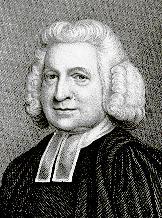
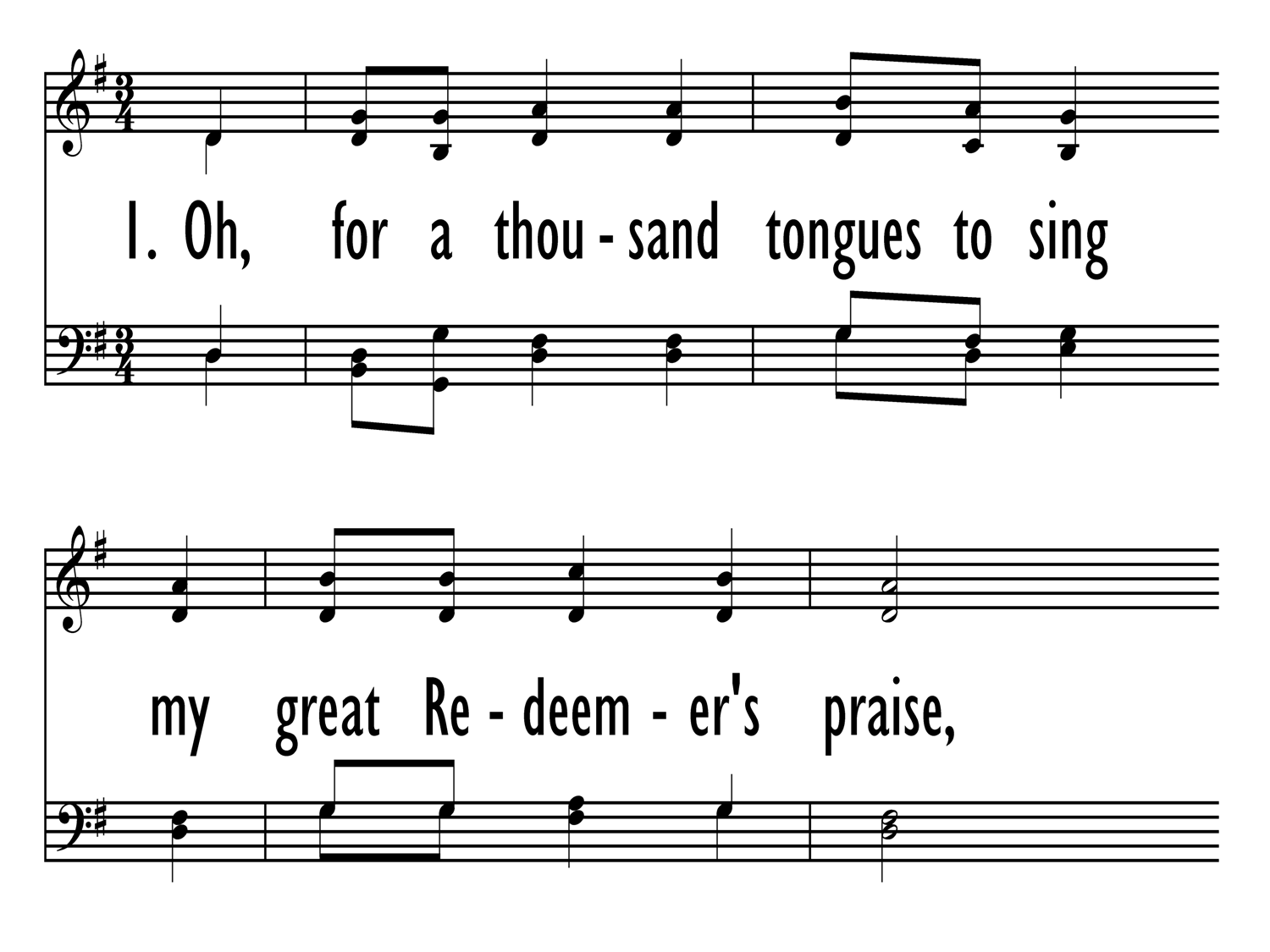
In 1739, for the first anniversary of his conversion, Charles Wesley (PHH 267) wrote an eighteen-stanza text beginning "Glory to God, and praise and love." It was published in Hymns and Sacred Poems (1740), a hymnal compiled by Wesley and his brother John. The familiar hymn "Oh, for a Thousand Tongues" comes from stanzas 1 and 7-12 of this longer text (this pattern already occurs in Richard Conyers's Collection of Psalms and Hymns 1772). Stanza 7 is the doxology stanza that began the original hymn. Wesley acquired the title phrase of this text from Peter Böhler, a Moravian, who said to Wesley, "If I had a thousand tongues, I would praise Christ with them all" (Böhler was actually quoting from Johann Mentzner's German hymn "O dass ich tausend Zungen hätte").
Through this jubilant, partly autobiographical text Wesley exalts his Redeemer and Lord. With its many biblical allusions it has become a great favorite of many Christians.
Liturgical Use:
Many types of services; profession of faith; baptism; other times of renewal; Pentecost.
--Psalter Hymnal Handbook
Hymnary Pro Subscribers
Access
an additional article
on the Canterbury Dictionary of Hymnology:
Hymnary Pro subscribers have full access to the Canterbury Dictionary of Hymnology.
Get Hymnary Pro


 My Starred Hymns
 My FlexScores
 My Hymnals
 My Purchased Files