Scripture References:
st. 1-3 = Matt. 21:1-17, Mark 11:1-10, Luke 19:28-38, John 12:12-13
st. 2 = Rev. 5:11-12
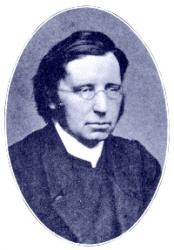
Theodulph, bishop of Orleans, wrote this text around 820 while he was imprisoned at Angers, France, for conspiring against King Louis the Pious. A probably apocryphal story from the early sixteenth century states that in a Palm Sunday procession King Louis passed the prison in which Theodulph was housed and heard the imprisoned bishop singing this hymn. According to the legend the king was so moved that he freed Theodulph and decreed the singing of "All Glory, Laud, and Honor" on all subsequent Palm Sundays.
The text was originally in thirty-nine Latin couplets, although only the first twelve lines were sung in ancient liturgical use (since a late-ninth-century manuscript from St. Gall). John M. Neale (PHH 342) translated the text into English in his Medieval Hymns and Sequences (1851). Neale revised that translation for The Hymnal Noted (1854); a further altered text was included in the original edition of Hymns Ancient and Modern (1861).
Based on Matthew 21:1-11 (and similar passages in Mark 11, Luke 19, and John 12), the text was originally written for a Palm Sunday procession. Thus it reflects on the original Palm Sunday's hymns of praise by the Jews as well as on our praise today.
Liturgical Use:
Palm Sunday morning processional; possibly during Advent.
--Psalter Hymnal Handbook
Hymnary Pro Subscribers
Access
an additional article
on the Canterbury Dictionary of Hymnology:
Hymnary Pro subscribers have full access to the Canterbury Dictionary of Hymnology.
Subscribe now


 My Starred Hymns
 My FlexScores
 My Hymnals
 My Purchased Files